How Does Shrink Film Work?
- Yingyang Packing
- 24 Mar ,2026
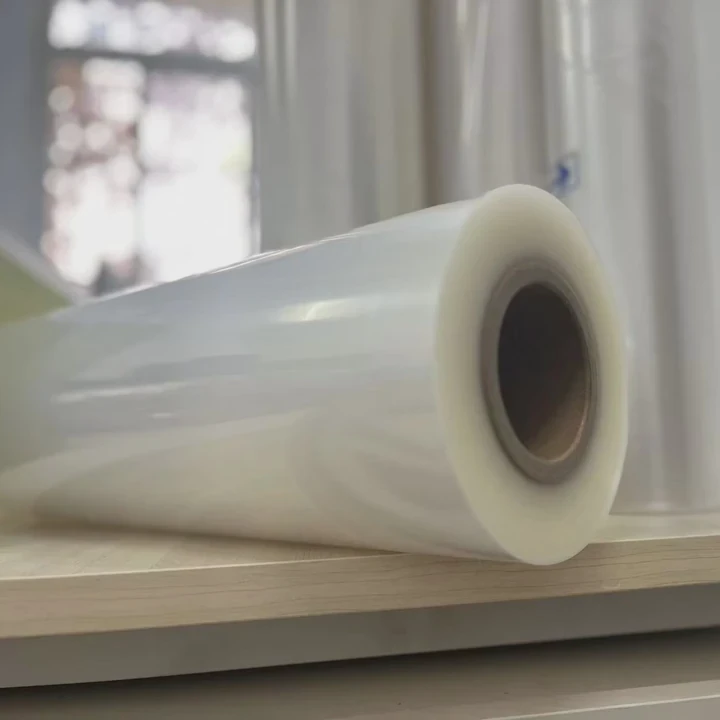
Many packaging problems come from misunderstanding materials. Products get loose, damaged, or poorly sealed because shrink film is not used correctly.
Shrink film works by using heat to activate a pre-stretched plastic structure, causing it to contract tightly around a product and form a secure, protective seal.
To use shrink film well, it is important to understand the science, the process, and the equipment behind it. Let’s break it down clearly.
What process causes shrink film to contract?
Shrink film contracts because it is stretched during manufacturing and returns to its original shape when reheated, a process based on molecular memory.
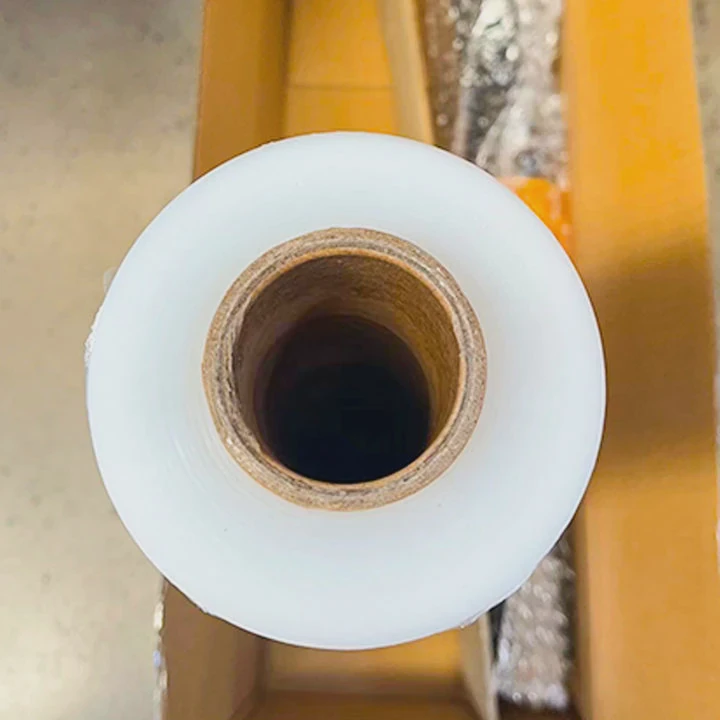
Shrink film behavior starts long before packaging. It begins during production.
How Shrink Film Is Made
Shrink film is created through a process called orientation. During this process:
- Plastic is heated
- It is stretched in one or two directions
- It is quickly cooled to lock the structure
This creates internal tension in the material.
Molecular Memory Explained
The plastic molecules are forced into a stretched state. They “remember” their original position.
When heat is applied again, they try to return to that original state. This causes the film to shrink.
Types of Orientation
1. Mono-directional (MD)
The film shrinks in one direction only.
2. Bi-directional (BOP)
The film shrinks in both directions. This is more common and provides a tight, even wrap.
Key Factors That Affect Shrinkage
| Factor | Effect on Shrink Performance |
|---|---|
| Temperature | Higher heat increases shrink rate |
| Film thickness | Thicker film shrinks slower |
| Material type | POF, PVC, PE behave differently |
| Orientation level | More stretch = stronger shrink |
Real Packaging Insight
In real applications, uneven heating can cause poor results. Some areas shrink too fast, while others remain loose.
That is why controlled heat is very important.
Practical Example
In one project, inconsistent heating caused wrinkled packaging. After adjusting temperature and airflow, the shrink became smooth and tight.
Why does heat activate shrink film?
Heat activates shrink film by releasing the stored energy in stretched polymer chains, allowing them to relax and return to their original shape.
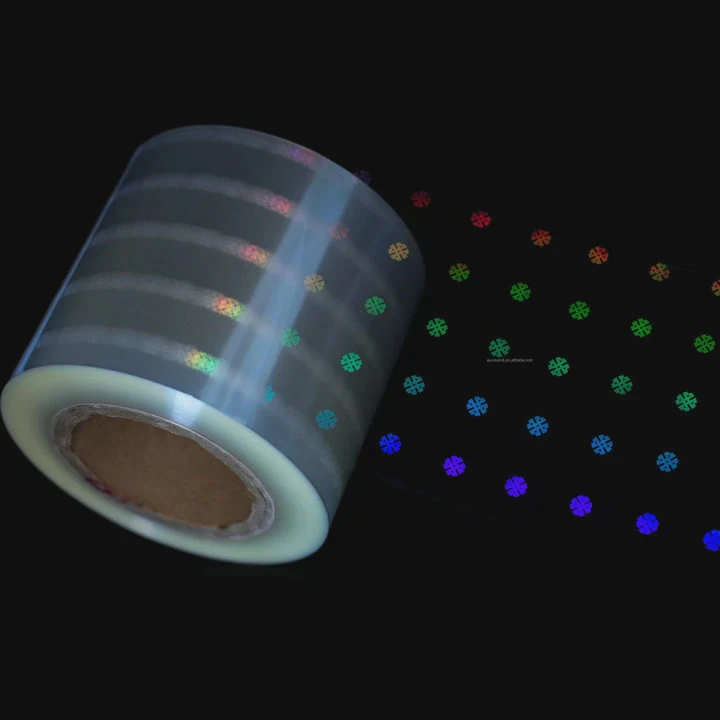
Heat is the trigger that makes everything happen.
Role of Heat in Shrink Film
Shrink film does not shrink at room temperature. It needs heat energy.
When heated:
- Polymer chains gain mobility
- Internal stress is released
- The film contracts
Temperature Range
Different materials require different temperatures.
| Material | Typical Shrink Temperature |
|---|---|
| POF | 130–170°C |
| PVC | 100–140°C |
| PE | 160–220°C |
Controlled Heating Is Critical
Too little heat:
- Film does not shrink fully
- Loose packaging
Too much heat:
- Film burns or melts
- Holes or distortion appear
Heat Application Methods
1. Hot Air
Most common method. Air circulates around the product.
2. Infrared Heat
Direct heat radiation. Faster but less uniform.
3. Steam
Used in some special applications.
Heat Distribution Matters
Even heat ensures:
- Smooth surface
- Strong seal
- Professional appearance
Uneven heat causes wrinkles and weak spots.
Practical Insight
In many factories, adjusting airflow is just as important as temperature. Good airflow ensures even shrinking.
When is shrink film applied during packaging?
Shrink film is applied after the product is formed and before final sealing, typically as one of the last steps in the packaging process.
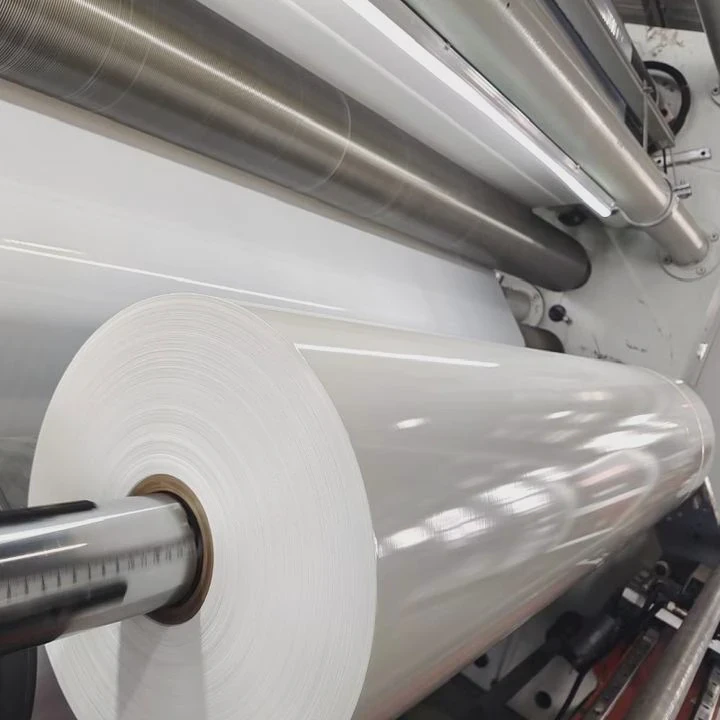
Timing is important in packaging lines.
Typical Packaging Flow
- Product preparation
- Primary packaging (if needed)
- Shrink film wrapping
- Sealing
- Heat shrinking
- Cooling and inspection
Position in the Process
Shrink film is usually applied near the end. This protects the finished product.
Why This Timing Matters
Applying shrink film too early can cause:
- Damage during handling
- Poor sealing
Applying it at the right stage ensures:
- Clean wrapping
- Strong seals
- Better efficiency
Types of Application Methods
1. Manual Wrapping
Used for small-scale operations.
2. Semi-Automatic Machines
Operator places product, machine handles sealing.
3. Fully Automatic Lines
Used in large factories. High speed and consistent quality.
Integration with Production Lines
Shrink film systems can connect with:
- Filling lines
- Labeling systems
- Cartoning machines
This improves efficiency.
Real Business Insight
Many growing businesses start with manual systems. As volume increases, they upgrade to automatic lines to reduce labor cost and improve consistency.
Which equipment is used for shrink film?
Shrink film packaging uses equipment such as sealing machines, heat tunnels, and automated wrapping systems to apply and shrink the film efficiently.
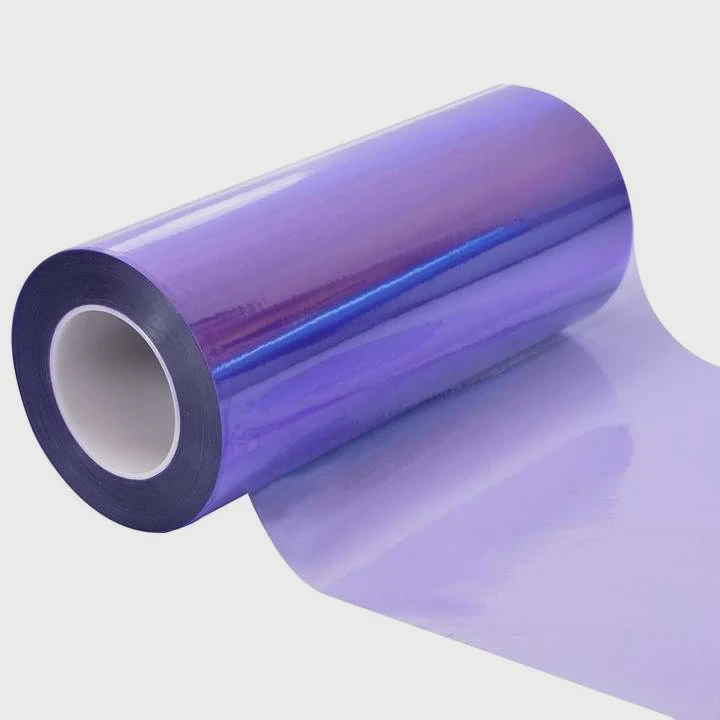
The right equipment makes a big difference in results.
Main Types of Equipment
1. L-Bar Sealer
- Cuts and seals film
- Suitable for small to medium production
2. Heat Tunnel
- Applies controlled heat
- Shrinks film evenly
3. Shrink Gun
- Manual heat tool
- Used for small or irregular items
4. Automatic Shrink Machine
- High-speed packaging
- Minimal manual work
Equipment Comparison Table
| Equipment Type | Production Level | Key Advantage |
|---|---|---|
| Shrink Gun | Low | Flexible and low cost |
| L-Bar Sealer | Medium | Simple and reliable |
| Heat Tunnel | Medium/High | Consistent shrink quality |
| Automatic Machine | High | Fast and efficient |
Supporting Equipment
Other important tools include:
- Conveyors
- Cooling fans
- Film rollers
These help improve workflow and final quality.
Choosing the Right Equipment
Selection depends on:
- Production volume
- Product type
- Budget
Common Mistakes
- Using the wrong temperature settings
- Choosing low-quality machines
- Ignoring maintenance
These can lead to poor packaging results.
Practical Insight
In many real cases, upgrading from manual tools to heat tunnels improved packaging quality immediately. It also reduced labor time.
Conclusion
Shrink film works through heat-activated contraction of stretched plastic. With the right process and equipment, it provides strong, efficient, and professional packaging. Understanding how it works helps businesses improve quality and reduce operational issues.