How to Make Shrink Film?
- Yingyang Packing
- 24 Mar ,2026
Many buyers want to understand shrink film deeper. But production seems complex. Without this knowledge, it is hard to judge quality or choose the right supplier.
Shrink film is made by melting plastic resins, forming them through extrusion, stretching the material to create memory, and cooling it to lock in shrink properties.
Understanding how shrink film is made helps businesses control quality, reduce risk, and build better supply chains. Let’s break it down step by step.
What materials are used to produce shrink film?
Many people think shrink film is just “plastic.” But the raw materials behind it are more specific and affect performance directly.
Shrink film is produced using polymer resins such as polyolefin (POF), polyvinyl chloride (PVC), and polyethylene (PE), along with additives that enhance performance.
Core Raw Materials
Shrink film starts with plastic pellets. These pellets are melted and processed.
Main Polymer Types
| Material | Full Name | Key Property | Typical Use |
|---|---|---|---|
| POF | Polyolefin | Strong, flexible | Food and retail packaging |
| PVC | Polyvinyl Chloride | Low cost | Printing and simple goods |
| PE | Polyethylene | Thick and durable | Bundling and heavy products |
Each material behaves differently under heat. That is why the final film performance varies.
Additives and Modifiers
Raw polymers alone are not enough. Manufacturers add special ingredients.
Common Additives
- Slip agents → Reduce friction during processing
- Anti-fog agents → Improve clarity in food packaging
- Stabilizers → Protect film from heat degradation
- Colorants → Add tint if needed
These additives improve both processing and final performance.
Material Selection Strategy
Choosing raw material depends on:
- Target application
- Required strength
- Cost considerations
For example:
- Food packaging → POF
- Low-cost retail → PVC
- Heavy bundling → PE
Quality Insight
High-quality shrink film starts with consistent raw materials. Poor resin quality leads to unstable shrink behavior and defects.
Real Industry Observation
Many experienced buyers ask for raw material details before placing orders. This helps ensure consistent product quality.
How is shrink film manufactured industrially?
Shrink film production is not a simple process. It involves precise control at every stage.
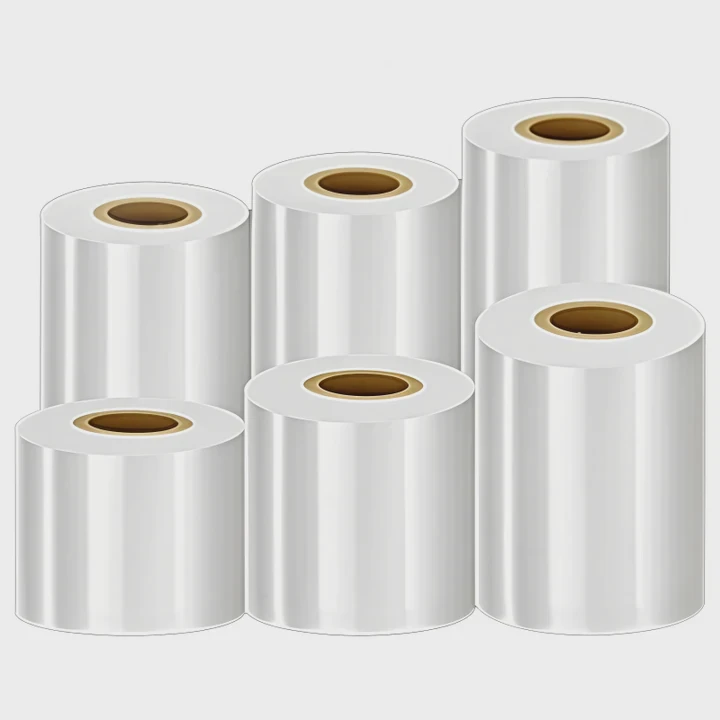
Shrink film is manufactured through extrusion, orientation (stretching), and cooling processes that create its shrinkable properties.
Overview of Industrial Process
The production line includes several stages:
- Resin melting
- Film extrusion
- Cooling
- Stretching (orientation)
- Annealing and winding
Each step must be controlled carefully.
Step 1: Resin Melting
Plastic pellets are fed into an extruder. Heat and pressure melt them into a uniform liquid.
Step 2: Film Extrusion
The molten plastic is pushed through a die. This forms a thin film.
There are two main methods:
- Blown film extrusion
- Cast film extrusion
Step 3: Cooling
The film is cooled quickly to stabilize its shape.
- Air cooling (blown film)
- Chill rollers (cast film)
Step 4: Orientation (Stretching)
This is the most important step.
The film is stretched:
- In one direction (MD)
- Or both directions (biaxial)
This creates internal stress.
Step 5: Annealing
The film is slightly reheated to stabilize it. This prevents unwanted shrinkage before use.
Step 6: Winding
The finished film is rolled for storage and shipping.
Production Control
Manufacturers must control:
- Temperature
- Speed
- Stretch ratio
Small changes can affect final quality.
Practical Insight
In real factories, advanced machines monitor thickness and tension in real time. This ensures consistent output.
Why extrusion is key in shrink film making?
Extrusion is the foundation of shrink film production. Without it, the film cannot be formed properly.
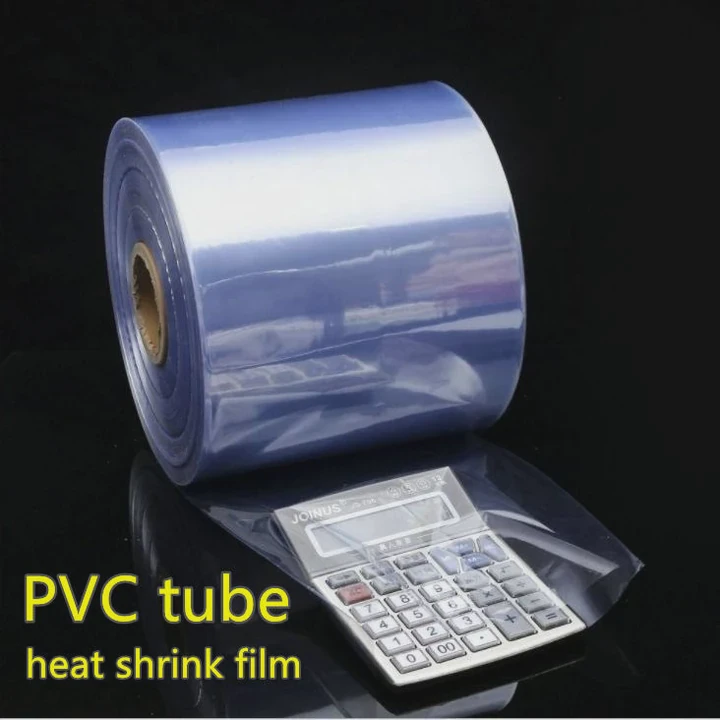
Extrusion is key because it transforms raw plastic into a uniform film and sets the base structure required for later stretching and shrink behavior.
What Is Extrusion?
Extrusion is a process where melted plastic is forced through a shaped opening (die) to create film.
Role of Extrusion in Shrink Film
Extrusion determines:
- Film thickness
- Surface quality
- Initial structure
If extrusion is poor, the final product will also be poor.
Types of Extrusion
1. Blown Film Extrusion
- Film forms a bubble
- Air expands the material
- Suitable for flexible films
2. Cast Film Extrusion
- Film is flat
- Uses rollers for shaping
- Provides better clarity
Why It Matters
Extrusion affects:
- Uniformity
- Strength
- Transparency
Common Problems
- Uneven thickness
- Surface defects
- Weak spots
These issues often come from poor extrusion control.
Technical Control Points
| Parameter | Impact on Film Quality |
|---|---|
| Temperature | Affects melt flow |
| Pressure | Controls film consistency |
| Die design | Determines film shape |
| Cooling rate | Impacts clarity |
Real Industry Insight
Many quality issues reported by buyers actually come from unstable extrusion processes. That is why experienced suppliers invest heavily in advanced extrusion lines.
Which steps are involved in film production?
Shrink film production is a complete system. Each step connects to the next.
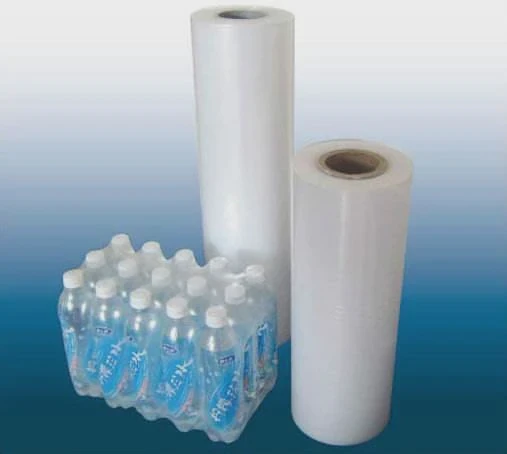
Shrink film production involves raw material preparation, extrusion, cooling, orientation, stabilization, and final inspection before packaging.
Full Production Workflow
Step 1: Raw Material Preparation
- Select resin
- Mix additives
- Ensure uniform quality
Step 2: Extrusion
- Melt and form film
- Control thickness
Step 3: Primary Cooling
- Stabilize film shape
- Prevent deformation
Step 4: Orientation
- Stretch film
- Create shrink memory
Step 5: Secondary Heating (Annealing)
- Stabilize internal stress
- Prevent premature shrink
Step 6: Slitting and Cutting
- Adjust film width
- Prepare for different uses
Step 7: Quality Inspection
- Check thickness
- Test shrink rate
- Inspect clarity
Step 8: Packaging and Storage
- Roll and pack film
- Protect from heat and damage
Production Flow Table
| Step | Purpose |
|---|---|
| Raw Material Prep | Ensure consistency |
| Extrusion | Form base film |
| Cooling | Stabilize structure |
| Orientation | Create shrink ability |
| Annealing | Improve stability |
| Slitting | Customize size |
| Inspection | Ensure quality |
| Packaging | Prepare for shipment |
Quality Control Importance
Each step affects final performance. Skipping control leads to:
- Inconsistent shrink
- Weak seals
- Customer complaints
Practical Experience
In many real cases, problems in the final product can be traced back to early production stages. That is why full-process control is essential.
Final Insight
Understanding the full process helps buyers ask the right questions when choosing suppliers. It also helps avoid low-quality products.
Conclusion
Shrink film is made through a precise process of extrusion, stretching, and stabilization. Each step shapes its performance. By understanding how it is produced, businesses can make better sourcing decisions and ensure consistent packaging quality.