What Is Shrink Film?
- Yingyang Packing
- 24 Mar ,2026
Many businesses struggle with packaging choices. Poor packaging can damage products, increase costs, and reduce customer trust. Many people hear about shrink film but do not fully understand it.
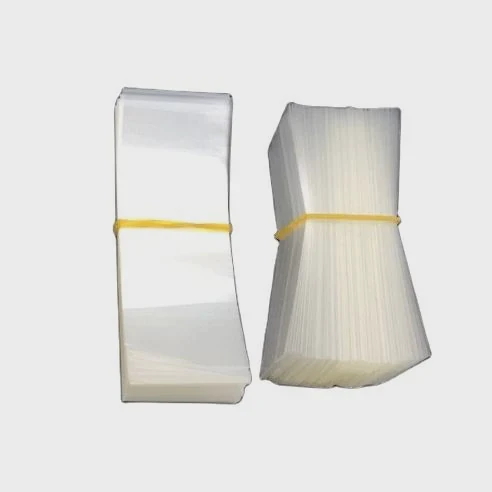
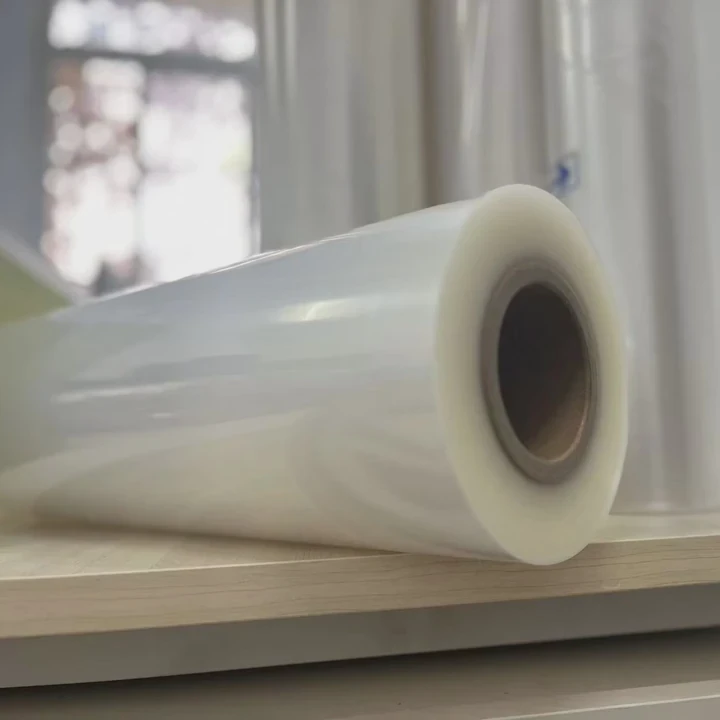
Shrink film is a plastic material that shrinks tightly around products when heated, creating a secure, protective, and visually appealing package.
Understanding shrink film helps businesses improve packaging efficiency, reduce waste, and enhance product presentation. Let’s break it down clearly.
How is shrink film defined in packaging?
Shrink film is a thermoplastic material that contracts when heat is applied, forming a tight seal around products for protection and display.
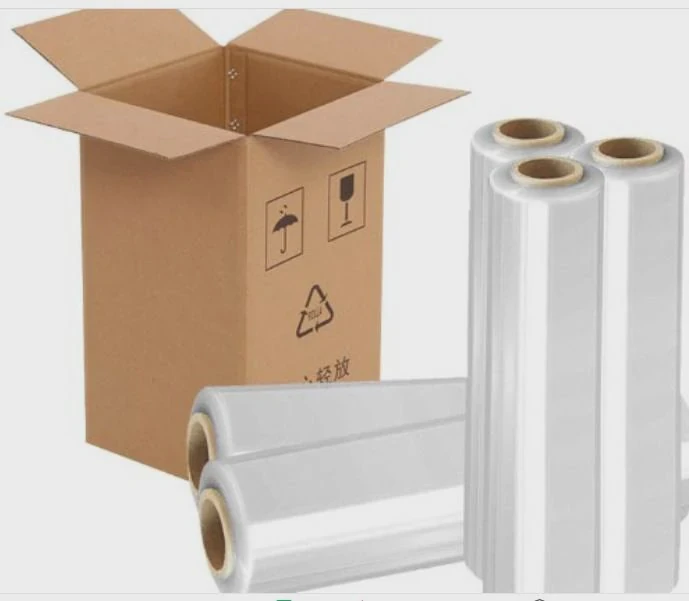
Shrink film plays a key role in modern packaging. It is simple in concept but powerful in function.
Basic Definition
Shrink film is made from polymer plastic. When exposed to heat, it shrinks uniformly around an item. This creates a tight and secure wrap.
The process usually involves:
- Wrapping the product
- Applying heat (heat gun or shrink tunnel)
- Film shrinking and sealing tightly
How Shrink Film Works
Shrink film has “memory.” During production, it is stretched. When reheated, it returns to its original size.
This creates a tight fit around products.
Key Characteristics
1. Transparency
Shrink film is usually clear. This allows customers to see the product inside.
2. Flexibility
It can wrap products of different shapes and sizes.
3. Protection
It protects against:
- Dust
- Moisture
- Tampering
4. Sealability
It forms strong seals that hold products together.
Simple Comparison
| Feature | Shrink Film | Traditional Packaging |
|---|---|---|
| Fit | Tight | Loose |
| Visibility | High | Medium |
| Protection | Good | Varies |
| Material Use | Efficient | Often higher |
Real Packaging Insight
In many projects, switching to shrink film reduced packaging material use. It also improved product appearance on shelves.
Why is shrink film widely used?
Shrink film is widely used because it offers strong protection, cost efficiency, versatility, and excellent product presentation.
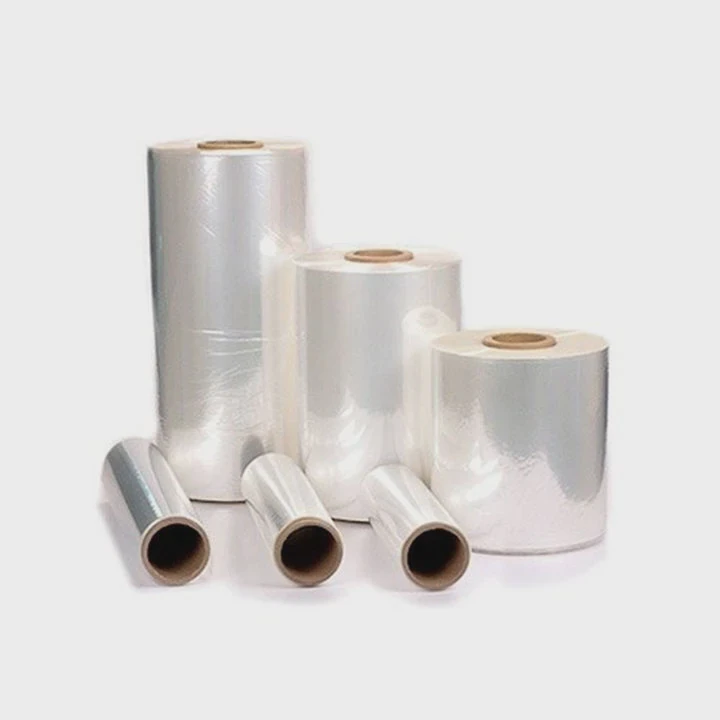
Its popularity comes from both performance and business value.
Key Reasons for Popularity
1. Cost Efficiency
Shrink film uses less material compared to boxes or rigid packaging.
This helps reduce:
- Material cost
- Storage space
- Shipping weight
2. Product Protection
Shrink film creates a sealed barrier. It protects products during transport and storage.
It reduces:
- Damage
- Contamination
- Loss
3. Versatility
Shrink film works for many product types:
- Food
- Bottles
- Electronics
- Printed materials
It can wrap single items or bundle multiple items.
4. Strong Visual Appeal
Clear shrink film improves product display. Customers can see the product directly.
This helps increase sales in retail environments.
5. Tamper Evidence
If the film is broken, it is easy to notice. This improves product safety.
Business Impact
Using shrink film can:
- Improve packaging speed
- Reduce labor costs
- Enhance brand image
Practical Experience
Many clients move to shrink film after facing high packaging costs. The change often leads to better efficiency and fewer product complaints.
Which types of shrink film exist?
The main types of shrink film include POF, PVC, and PE, each offering different properties for specific packaging needs.
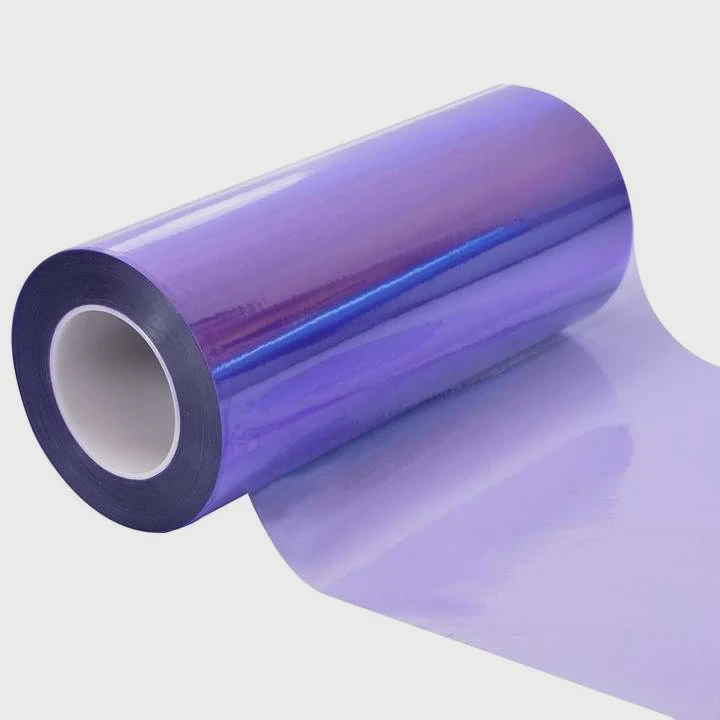
Choosing the right type is critical. Each material behaves differently.
Main Types Overview
| Type | Full Name | Key Feature | Common Use |
|---|---|---|---|
| POF | Polyolefin | Strong and flexible | Food and retail |
| PVC | Polyvinyl Chloride | Low cost | Printing and simple goods |
| PE | Polyethylene | Thick and durable | Heavy products and bundling |
POF Shrink Film
POF is widely used today. It is safe and durable.
Key Benefits:
- Food-safe
- High clarity
- Strong and flexible
It works well for retail and food packaging.
PVC Shrink Film
PVC is an older material. It is still used due to low cost.
Key Features:
- Lower price
- Easy to use
- Less durable
It may release odor during heating. This limits its use in food packaging.
PE Shrink Film
PE is thicker and stronger. It is used for heavy-duty packaging.
Common Uses:
- Beverage bundling
- Industrial products
- Large items
Material Comparison
| Property | POF | PVC | PE |
|---|---|---|---|
| Strength | High | Medium | Very High |
| Clarity | High | Medium | Low |
| Cost | Medium | Low | Medium |
| Food Safety | Yes | Limited | Yes |
Selection Insight
Choosing the right film depends on:
- Product type
- Budget
- Market requirements
Many businesses upgrade from PVC to POF as they grow.
Where is shrink film applied most?
Shrink film is most commonly applied in food packaging, beverage bundling, retail products, and industrial goods.
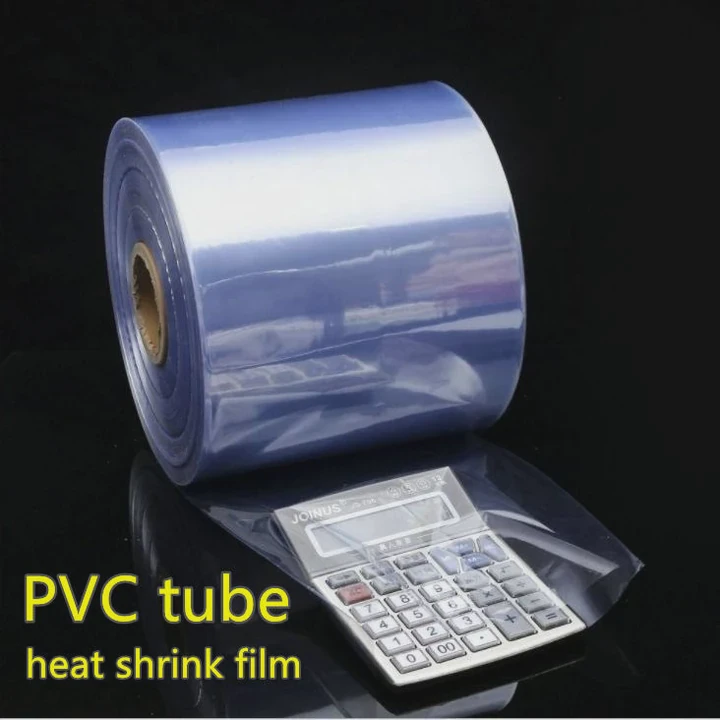
Shrink film is everywhere. It supports many industries.
Major Application Areas
1. Food Industry
Shrink film is widely used for:
- Fresh produce
- Frozen food
- Meat packaging
It keeps food clean and extends shelf life.
2. Beverage Industry
Used for bundling bottles and cans.
Examples:
- Water packs
- Soft drinks
- Beer multipacks
PE shrink film is often used here.
3. Retail Packaging
Shrink film improves product display.
Used for:
- Cosmetics
- Toys
- Electronics
It creates a clean and professional look.
4. Printing and Publishing
Books and magazines are often wrapped in shrink film.
This protects them during shipping.
5. Industrial Packaging
Used for heavy or large products.
Provides:
- Stability
- Protection
- Easy handling
Application Comparison Table
| Industry | Film Type Used | Main Benefit |
|---|---|---|
| Food | POF | Safety and hygiene |
| Beverage | PE | Strength and bundling |
| Retail | POF/PVC | Appearance |
| Printing | PVC | Low cost |
| Industrial | PE | Durability |
Global Usage Trend
Shrink film demand is growing worldwide. The main drivers include:
- E-commerce growth
- Retail expansion
- Need for efficient packaging
Real Market Insight
Many industries are shifting toward safer and eco-friendly materials. POF is becoming more popular, especially in developed markets.
Conclusion
Shrink film is a versatile and efficient packaging solution. It offers protection, cost savings, and strong visual appeal. By understanding its types and applications, businesses can choose the right solution and improve their packaging performance.