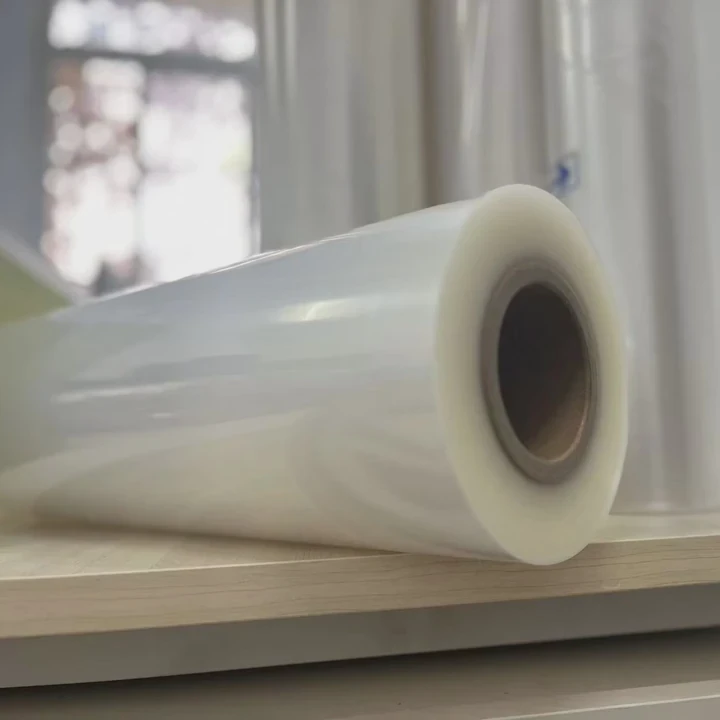
How Much Does Shrink Film Shrink?
- Yingyang Packing
- 24 Mar ,2026
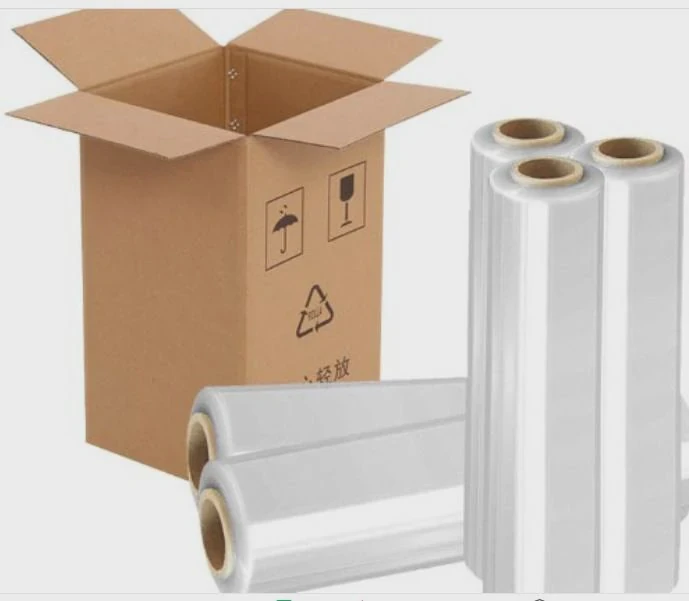
Many buyers expect perfect wrapping. But the film shrinks too much or too little. This causes loose packs or damaged products.
Shrink film typically shrinks between 20% and 80%, depending on material type, orientation, and temperature during the shrinking process.
Understanding shrink percentage is critical. It directly affects packaging fit, product safety, and overall appearance.
What shrink percentage is typical for films?
Shrink film does not behave the same across materials. Many users assume a fixed number, but real performance varies.
Typical shrink percentages range from 40%–70% for POF, 30%–60% for PVC, and 10%–30% for PE shrink film.
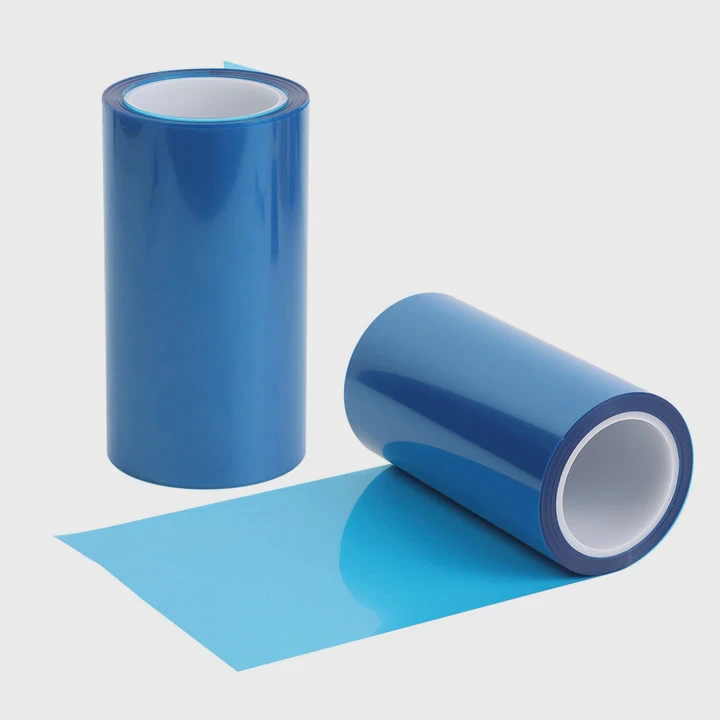
Shrink percentage refers to how much the film reduces in size when heat is applied. It is usually measured in two directions:
- Machine Direction (MD)
- Transverse Direction (TD)
Typical Shrink Ranges by Material
| Material | MD Shrink % | TD Shrink % | Total Behavior |
|---|---|---|---|
| POF | 50–70% | 50–70% | Balanced shrink |
| PVC | 40–60% | 30–50% | Moderate shrink |
| PE | 10–25% | 10–20% | Low shrink |
Balanced vs Directional Shrink
POF films usually shrink evenly in both directions. This creates a smooth and tight wrap.
PVC films often shrink unevenly. This can cause wrinkles if not controlled properly.
PE films shrink less. They are used more for bundling than tight wrapping.
Why Percentage Matters
If shrink is too high:
- Film may tear
- Product edges may be damaged
If shrink is too low:
- Packaging becomes loose
- Poor visual appearance
Real Example
In one packaging project, switching from PVC (40% shrink) to POF (65% shrink) improved product fit and reduced rework.
Key Takeaway
Shrink percentage must match product shape and packaging requirements. There is no one-size-fits-all solution.
Why does shrink rate vary by material?
Shrink behavior is not random. It comes from the material’s internal structure and how it is produced.
Shrink rate varies by material because each polymer has different molecular structures, elasticity, and orientation levels during manufacturing.
Material Structure Differences
Each shrink film type uses a different polymer:
- POF → Polyolefin
- PVC → Polyvinyl Chloride
- PE → Polyethylene
These materials respond differently to heat.
Orientation During Production
Shrink film is stretched during manufacturing. The degree of stretching affects shrink rate.
Higher orientation = higher shrink potential
Elasticity and Memory
POF has strong elastic memory. It returns quickly to its original state when heated.
PVC has weaker elasticity. It shrinks less and may become brittle.
PE has low orientation. It shrinks slowly and less dramatically.
Thermal Behavior
Different materials activate at different temperatures.
| Material | Heat Sensitivity | Shrink Speed |
|---|---|---|
| POF | Medium | Fast |
| PVC | High | Moderate |
| PE | Low | Slow |
Additives and Formulation
Manufacturers add modifiers to adjust performance:
- Anti-fog agents
- Slip additives
- Stabilizers
These can slightly change shrink behavior.
Practical Insight
From experience, many buyers underestimate how much formulation matters. Two POF films can behave differently depending on supplier quality.
How is shrink ratio measured accurately?
Many users rely on estimates. But accurate measurement is important for consistent packaging results.
Shrink ratio is measured by heating a film sample under controlled conditions and calculating the percentage reduction in length or width.
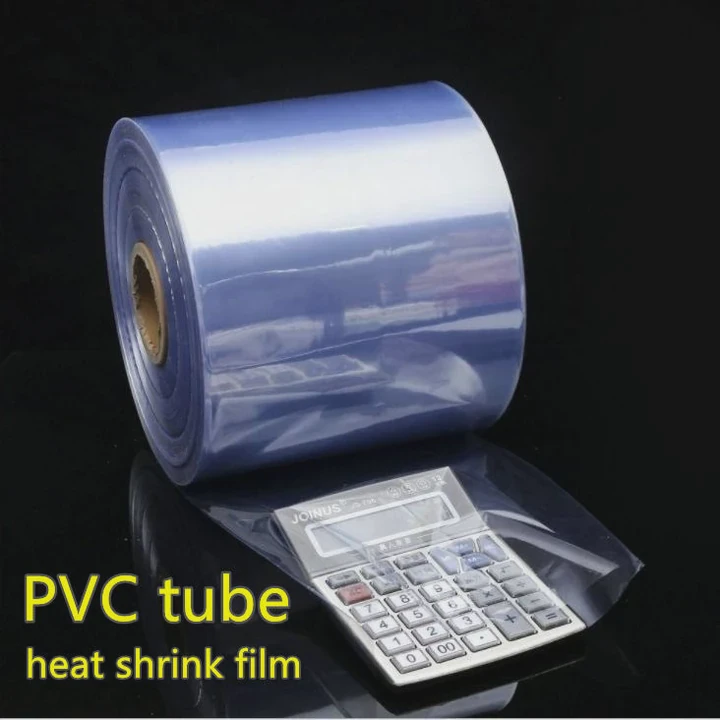
Standard Testing Method
The most common method includes:
- Cut a film sample (usually 10cm × 10cm)
- Mark measurement lines
- Heat the sample in hot air or water
- Measure final dimensions
Shrink Formula
Shrink percentage is calculated as:
Shrink % = (Original Size − Final Size) ÷ Original Size × 100
Example Calculation
- Original length: 100 mm
- Final length: 60 mm
Shrink % = (100 − 60) ÷ 100 × 100 = 40%
MD vs TD Measurement
Measurements must be taken in both directions:
- MD (machine direction)
- TD (transverse direction)
This ensures accurate understanding of film behavior.
Testing Conditions
Consistency is key:
- Fixed temperature
- Controlled heating time
- Uniform airflow
Common Mistakes
- Uneven heating
- Incorrect sample size
- Ignoring direction differences
These lead to inaccurate results.
Quality Control Insight
Reliable suppliers test every batch. This ensures stable shrink performance across orders.
Which factors affect shrink film contraction?
Shrink film performance depends on more than just material. Many external factors play a role.
Shrink film contraction is affected by temperature, film thickness, product shape, airflow, and machine settings during the shrinking process.
Key Factors Explained
1. Temperature
Temperature is the most important factor.
- Too low → incomplete shrink
- Too high → film damage
2. Film Thickness
Thicker films:
- Require more heat
- Shrink more slowly
Thinner films:
- Shrink faster
- Are easier to control
3. Product Shape
Sharp edges and irregular shapes affect shrink behavior.
They may cause:
- Stress points
- Uneven shrink
4. Airflow in Heat Tunnel
Good airflow ensures even heating.
Poor airflow causes:
- Wrinkles
- Loose areas
Factor Impact Table
| Factor | Effect on Shrink Result |
|---|---|
| Temperature | Controls shrink activation |
| Thickness | Affects shrink speed |
| Shape | Influences uniformity |
| Airflow | Ensures even shrink |
| Machine Speed | Impacts exposure time |
5. Machine Speed
Faster conveyor speed reduces heating time.
Slower speed increases shrink intensity.
6. Film Quality
Low-quality films may have inconsistent shrink rates.
High-quality films provide stable performance.
Real Application Insight
In real packaging lines, adjusting just one factor can change the final result significantly. Many issues are solved by fine-tuning temperature and speed together.
Practical Advice
Always test shrink film under real production conditions before large-scale use. This avoids costly mistakes.
Conclusion
Shrink film typically shrinks between 20% and 80%, depending on material and conditions. Understanding shrink percentage, measurement, and influencing factors helps achieve better packaging results and avoid costly errors.