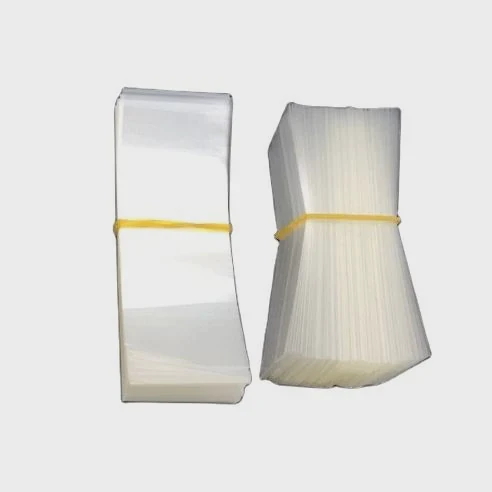
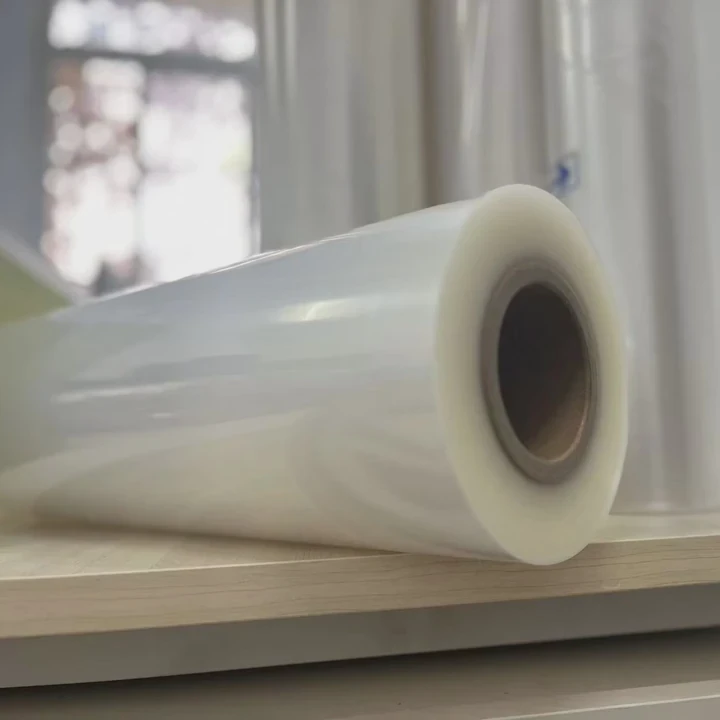
How to Use Polyolefin Shrink Film?
- Yingyang Packing
- 24 Mar ,2026
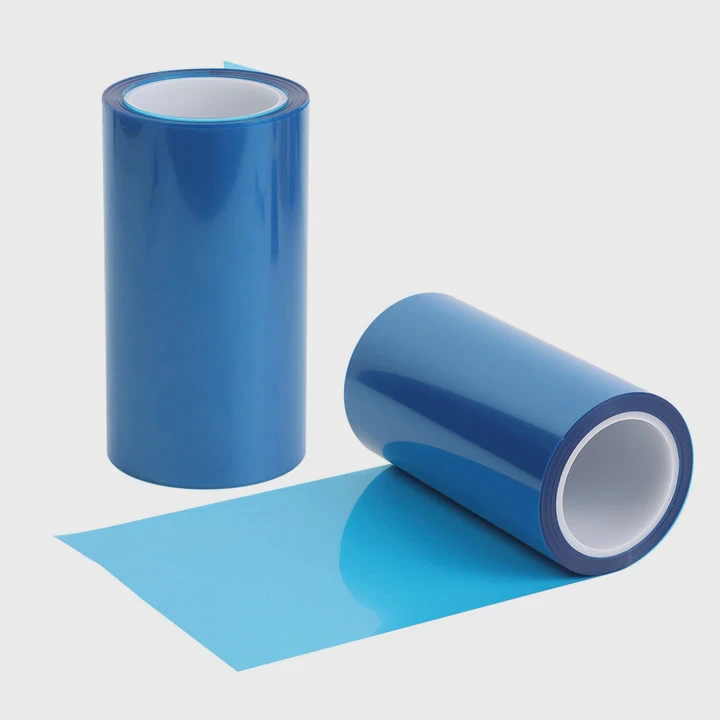
Many users struggle with shrink wrapping results. Loose seals, wrinkles, or burnt film often come from incorrect use of POF shrink film.
Polyolefin (POF) shrink film is used by wrapping a product, sealing the film, and applying controlled heat to shrink it tightly for protection and presentation.
Using POF correctly improves packaging quality, reduces waste, and increases efficiency. Let’s go step by step.
What steps ensure proper POF shrink wrapping?
Poor process control leads to bad packaging. Many problems come from skipping key steps or incorrect setup.
Proper POF shrink wrapping requires correct film selection, precise sealing, controlled heating, and consistent cooling to achieve a tight and smooth finish.
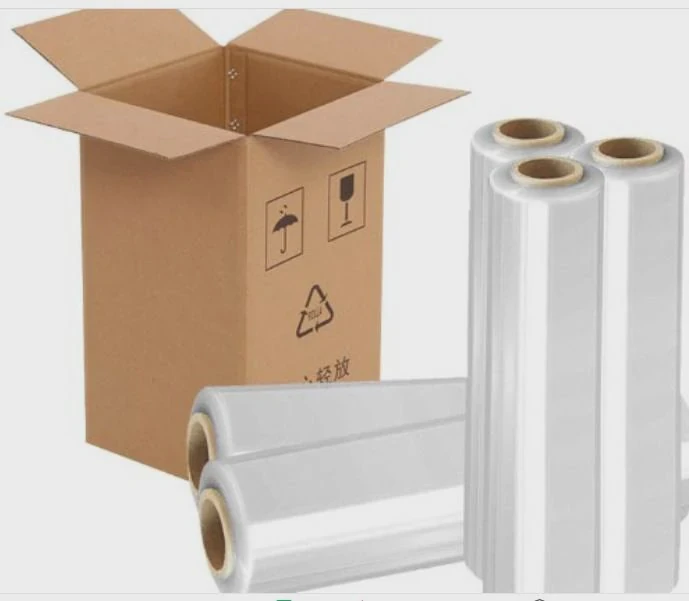
Step-by-Step Process
1. Choose the Right Film
Start with selecting the correct thickness and type.
- Light products → thinner film (12–15 microns)
- Heavy or sharp products → thicker film (19–25 microns)
Wrong thickness leads to tearing or poor shrink.
2. Prepare the Product
Products should be:
- Clean
- Dry
- Properly aligned
Irregular placement causes uneven shrink.
3. Wrap the Product
Place the product inside the film.
This can be done:
- Manually
- With semi-automatic machines
- With automatic lines
Ensure enough film margin for sealing.
4. Seal the Film
Use a sealing machine to close the film.
Key points:
- Clean seal line
- Correct temperature
- No gaps or burns
5. Apply Heat
Move the product into a heat tunnel or use a shrink gun.
The film shrinks tightly around the product.
6. Cooling
After heating, allow the film to cool.
This stabilizes the final shape.
Process Control Table
| Step | Key Requirement | Common Mistake |
|---|---|---|
| Film Select | Correct thickness | Using too thin film |
| Sealing | Proper temperature | Weak or burnt seals |
| Heating | Even heat distribution | Wrinkles or bubbles |
| Cooling | Stable environment | Deformation |
Practical Insight
In many real cases, improving sealing quality alone solves most packaging issues. It is often the most overlooked step.
Why is temperature control important for POF?
Temperature is the most critical factor in shrink wrapping. Even small changes can affect results.
Temperature control is important because POF shrink film requires a specific heat range to shrink evenly without burning or under-shrinking.
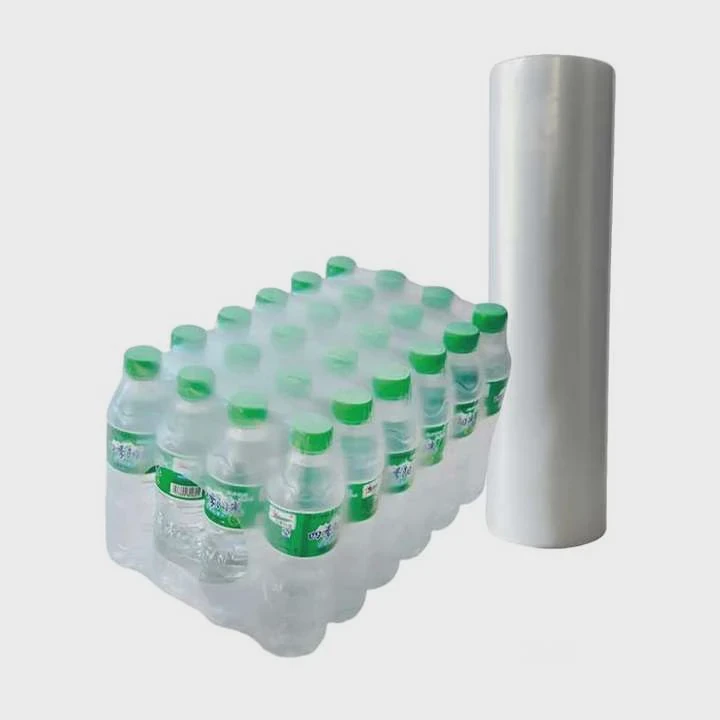
Optimal Temperature Range
POF typically shrinks at:
- 130°C to 170°C
This range ensures proper activation.
Effects of Incorrect Temperature
Too Low Temperature
- Film does not shrink fully
- Loose packaging
- Poor appearance
Too High Temperature
- Film burns or melts
- Holes appear
- Seal damage
Heat Distribution Matters
Even if temperature is correct, poor airflow can cause problems.
Good airflow ensures:
- Uniform shrink
- Smooth surface
Temperature Control Factors
| Factor | Impact |
|---|---|
| Tunnel temperature | Controls shrink activation |
| Airflow | Ensures even heat distribution |
| Conveyor speed | Controls exposure time |
Balancing Heat and Speed
Faster speed → less heat exposure
Slower speed → more shrink
Both must be adjusted together.
Real Experience
In one project, reducing temperature by 10°C and slowing conveyor speed improved shrink quality significantly. This shows how sensitive POF is to heat settings.
How can POF film improve packaging quality?
Many businesses upgrade to POF to solve packaging problems. The improvements are often immediate.
POF film improves packaging quality by providing strong seals, high clarity, flexibility, and consistent shrink performance.
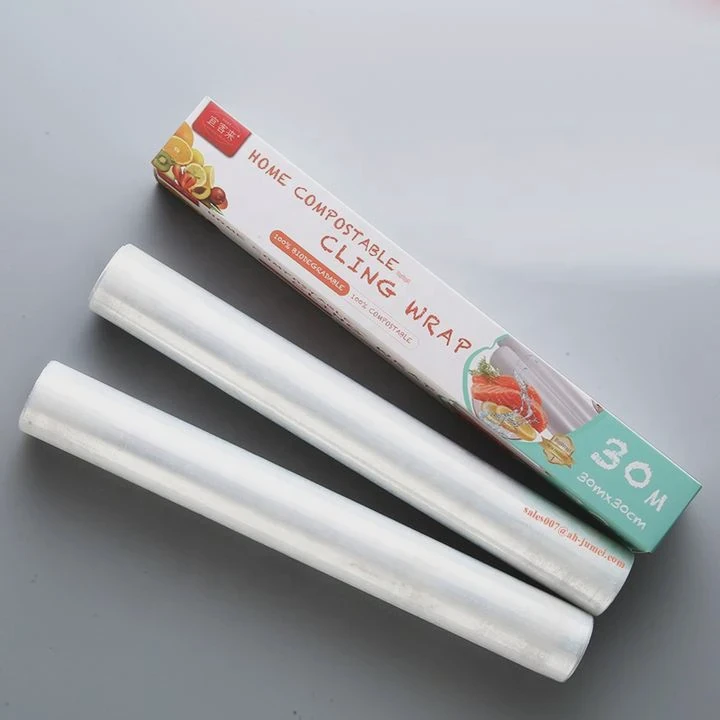
Key Quality Improvements
1. Better Appearance
POF offers high transparency and gloss.
This improves:
- Product visibility
- Shelf appeal
2. Stronger Protection
POF is flexible and durable.
It protects against:
- Dust
- Moisture
- Minor impacts
3. Consistent Shrink
POF shrinks evenly in both directions.
This reduces:
- Wrinkles
- Loose areas
4. Food Safety
POF is safe for food packaging.
It does not release harmful gases.
Comparison with Other Films
| Feature | POF Film | PVC Film |
|---|---|---|
| Clarity | High | Medium |
| Flexibility | High | Low |
| Safety | Food-safe | Limited |
| Durability | Strong | Brittle |
Cost vs Value
POF may cost more than PVC. But it reduces:
- Product damage
- Returns
- Waste
Brand Impact
Better packaging leads to:
- Higher perceived value
- Better customer experience
Practical Insight
Many clients report increased sales after upgrading to POF packaging due to improved product presentation.
Which machines are suitable for POF shrink film?
Using the right machine is essential. Even the best film cannot perform well with poor equipment.
POF shrink film works best with L-bar sealers, heat tunnels, and automatic shrink wrapping machines designed for consistent temperature and airflow control.
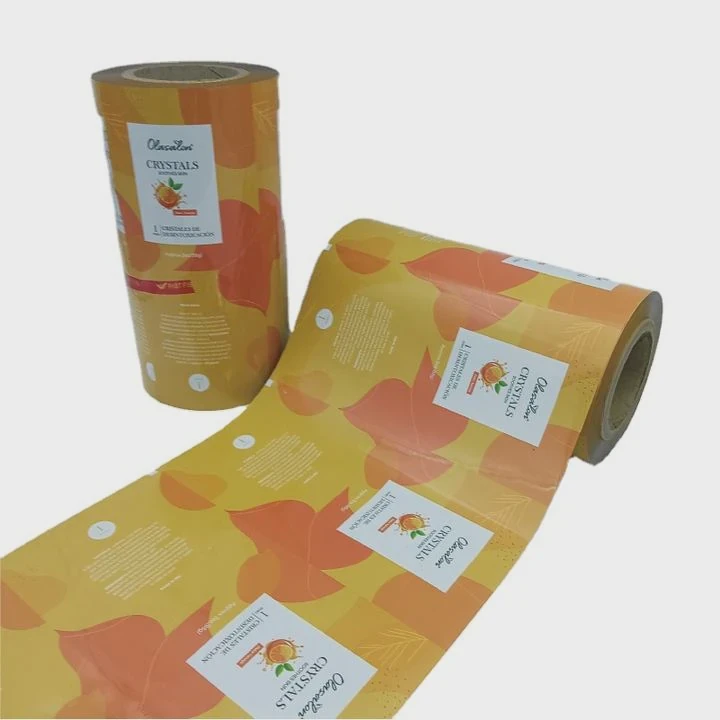
Main Machine Types
1. L-Bar Sealer
- Seals and cuts film
- Suitable for small to medium production
2. Heat Tunnel
- Provides controlled heat
- Ensures even shrink
3. Side Seal Machine
- Continuous operation
- Suitable for high-speed lines
4. Automatic Shrink Wrapper
- Fully automated
- High efficiency
Machine Selection Table
| Machine Type | Production Level | Best Use Case |
|---|---|---|
| Manual Sealer | Low | Small businesses |
| L-Bar Sealer | Medium | General packaging |
| Heat Tunnel | Medium/High | Consistent shrink quality |
| Automatic Machine | High | Large-scale production |
Key Machine Features
Look for:
- Precise temperature control
- Adjustable conveyor speed
- Good airflow system
Common Mistakes
- Using machines not designed for POF
- Poor maintenance
- Incorrect settings
Integration with Production
Modern systems can connect with:
- Filling lines
- Labeling machines
- Cartoning systems
This improves efficiency.
Real Industry Insight
Many companies start with L-bar sealers and upgrade to automatic systems as production grows. This is a common and practical path.
Conclusion
Using POF shrink film correctly requires proper steps, temperature control, and suitable equipment. When done right, it delivers strong protection, high-quality appearance, and efficient packaging performance.
- Pre How to Make Shrink Film?
- Next: Sorry!