What Is the Difference Between POF and PVC Shrink Film?
- Yingyang Packing
- 24 Mar ,2026
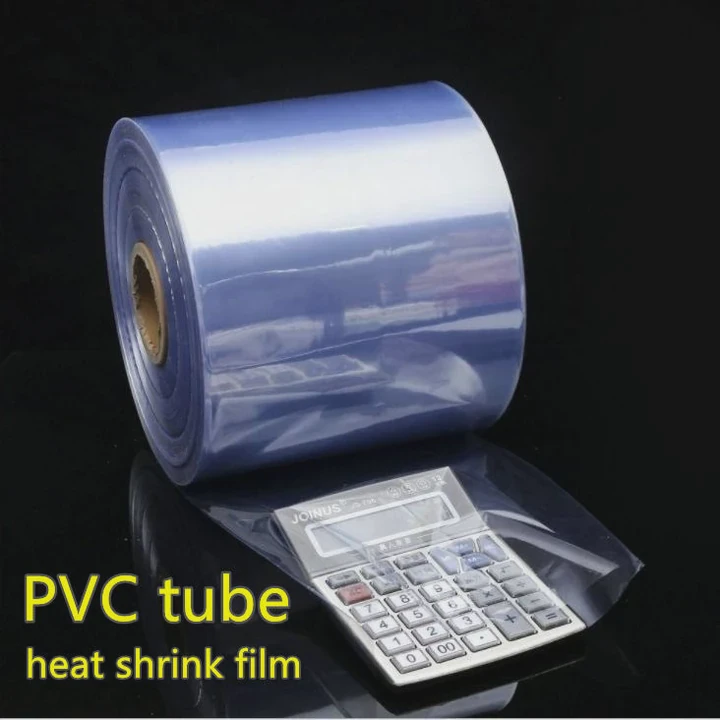
Every buyer faces this problem. The wrong shrink film can damage products, increase costs, and create customer complaints. Many people confuse POF and PVC, and that leads to poor decisions.
POF and PVC shrink films differ in material, safety, flexibility, and performance. POF is more durable, eco-friendly, and food-safe, while PVC is cheaper but less flexible and can release harmful gases when heated.
Choosing between them is not just about price. It affects packaging quality, brand image, and long-term cost. Let’s break it down step by step.
How do POF and PVC shrink films compare?
Many buyers struggle to see real differences. Both films look similar at first. But once used, the gap becomes very clear.
POF shrink film is stronger, safer, and more flexible than PVC, while PVC is more brittle, lower-cost, and less environmentally friendly.
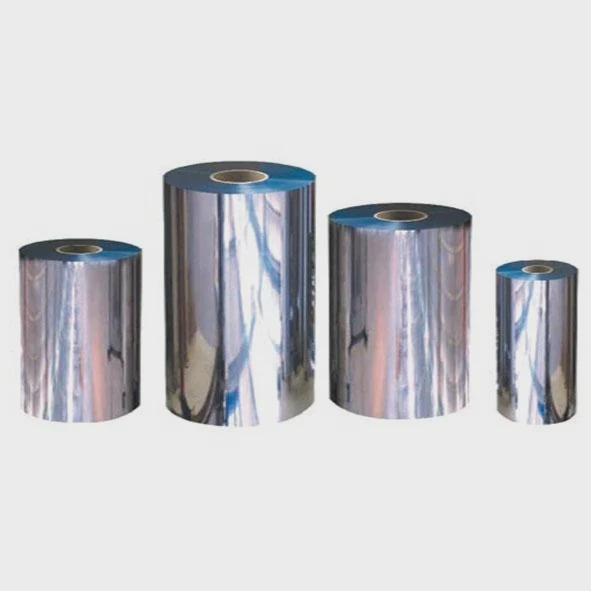
When comparing these two materials, it helps to look at multiple factors. Each factor affects real-world packaging performance.
Key Differences Overview
| Feature | POF Shrink Film | PVC Shrink Film |
|---|---|---|
| Material Type | Polyolefin | Polyvinyl Chloride |
| Flexibility | High | Low |
| Durability | Strong | Brittle |
| Safety | Food-safe | May release harmful fumes |
| Environmental Impact | Recyclable | Less eco-friendly |
| Cost | Higher | Lower |
Material Structure
POF uses multi-layer co-extrusion technology. This structure gives it strength and flexibility. It can stretch without tearing. It also shrinks evenly.
PVC has a simpler structure. It becomes stiff over time. It also cracks easily in cold conditions. This creates problems during storage and shipping.
Performance in Packaging
POF performs better under stress. It can handle sharp edges and irregular shapes. It also seals cleanly at lower temperatures.
PVC needs tighter control during sealing. It burns easily if overheated. It also produces a stronger odor during processing.
Visual Appearance
POF provides a clear and glossy finish. This helps improve product presentation. It is often used for retail packaging.
PVC may turn yellow over time. This affects the look of packaged goods. Especially for long shelf-life products.
Temperature Resistance
POF works well in both high and low temperatures. It remains stable in cold storage environments.
PVC becomes brittle in cold weather. This makes it less suitable for frozen products.
Real Business Impact
From experience in export projects, many clients switch from PVC to POF after facing product returns. The main reasons are cracking, odor, and poor sealing.
Switching materials may increase cost slightly. But it reduces risk and improves brand perception.
Why choose POF over PVC shrink film?
Many buyers ask this question when upgrading packaging. The answer is often tied to quality and long-term value.
POF shrink film is chosen for its safety, strength, flexibility, and premium appearance, making it ideal for modern packaging needs.
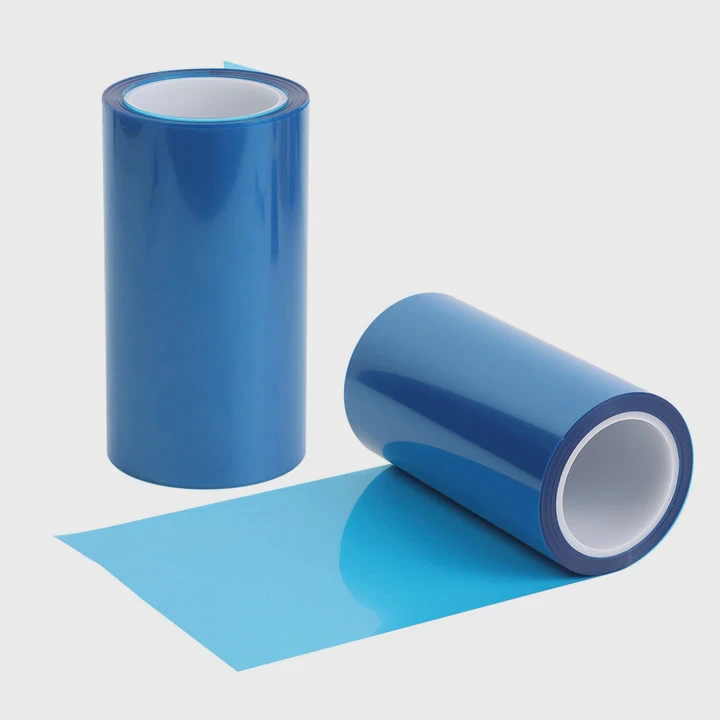
POF is not just a replacement. It is an upgrade in many ways.
Key Advantages of POF
| Advantage | Benefit to Business |
|---|---|
| High flexibility | Reduces product damage |
| Food safety | Suitable for direct food contact |
| Strong seals | Improves packaging efficiency |
| High clarity | Enhances product display |
| Eco-friendly | Meets global compliance standards |
Better for Food Packaging
POF is widely used in food industries. It does not release harmful gases during heating. This makes it safe for direct contact.
PVC, on the other hand, may release chlorine-based fumes. This creates safety concerns.
Stronger and More Reliable
POF has high tensile strength. It does not tear easily. This is important for sharp or heavy products.
In real cases, clients packaging hardware or boxed goods saw fewer returns after switching to POF.
Better Customer Experience
POF gives a smooth and tight finish. It improves shelf appeal. Customers often associate clear packaging with higher quality.
PVC may wrinkle or discolor. This affects customer perception.
Cost vs Value
POF costs more per roll. But it reduces waste and damage. It also improves efficiency in packaging lines.
Over time, the total cost can be lower.
Compliance and Export Advantage
Many countries have strict rules on packaging materials. POF meets most international standards.
PVC faces restrictions in some markets. Especially in Europe.
My Practical Insight
In many export projects, especially in the US and Europe, buyers prefer POF. It helps them avoid compliance issues and improves their brand image.
When should PVC shrink film be preferred?
Despite its drawbacks, PVC still has its place. Some businesses continue to use it for specific reasons.
PVC shrink film is preferred when low cost is the priority and the packaging application is simple and short-term.
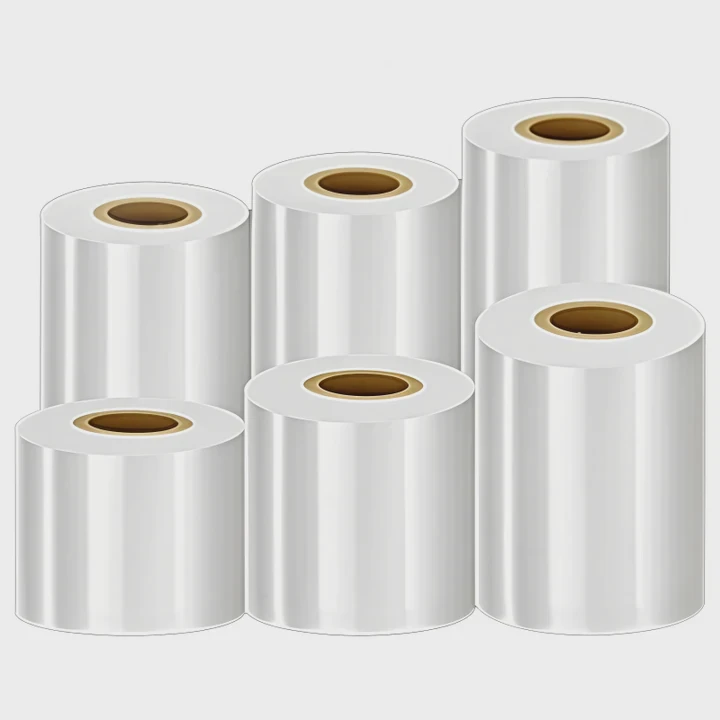
PVC is not obsolete. It just serves a different market segment.
Situations Where PVC Works
1. Low-Cost Packaging Needs
PVC is cheaper than POF. For businesses with tight budgets, this matters.
For example, small retailers or low-margin products often choose PVC.
2. Short Shelf-Life Products
PVC works well for products that are sold quickly. There is less risk of discoloration or degradation.
Examples include:
- Printed materials
- Low-cost consumer goods
- Promotional bundles
3. Simple Packaging Shapes
PVC performs better with regular shapes. Boxes and flat items are easier to wrap.
It struggles with irregular or sharp products.
Limitations to Consider
PVC has several risks:
- It becomes brittle over time
- It cracks in cold environments
- It produces odor during sealing
These issues can affect product quality.
Cost Comparison Insight
While PVC is cheaper upfront, hidden costs may appear:
- Higher waste rate
- Product damage
- Customer complaints
Practical Example
Some clients start with PVC for trial orders. Once their business grows, they switch to POF for better performance.
This is a common path in developing markets.
Which industries use POF versus PVC shrink film?
Different industries have different needs. Choosing the right film depends on product type, logistics, and customer expectations.
POF is widely used in food, cosmetics, and premium retail, while PVC is mainly used in low-cost packaging, printing, and simple consumer goods.
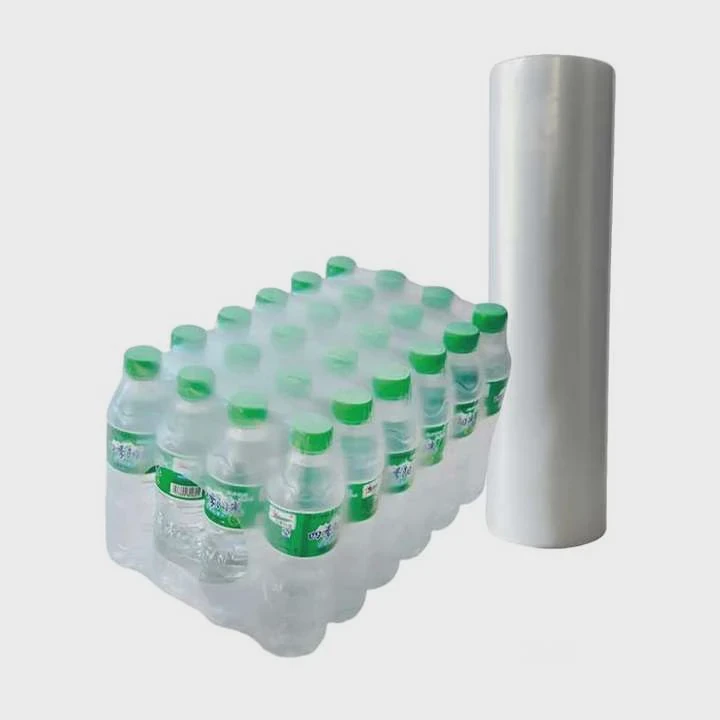
Understanding industry usage helps make better decisions.
Industry Comparison Table
| Industry | Preferred Film | Reason |
|---|---|---|
| Food & Beverage | POF | Safety and hygiene |
| Cosmetics | POF | Clear appearance |
| Electronics | POF | Protection and durability |
| Printing & Books | PVC | Low cost |
| Stationery | PVC | Simple packaging |
| Toys | Both | Depends on quality level |
Food Industry
Food companies almost always choose POF. Safety is the main concern. Regulations are strict.
POF meets these requirements. It also keeps products fresh and protected.
Cosmetics and Retail
Appearance matters in these industries. POF provides high clarity and gloss.
It helps products stand out on shelves.
Electronics
Electronics need protection from dust and moisture. POF offers strong sealing and durability.
PVC may not provide enough protection.
Printing Industry
Books and magazines often use PVC. The cost is lower, and the packaging is simple.
The short product life cycle makes PVC acceptable.
Logistics and Export
POF is better for long-distance shipping. It handles temperature changes well.
PVC may fail during transit, especially in cold climates.
Market Trends
More industries are shifting to POF. Environmental concerns and regulations are driving this change.
PVC is gradually being replaced in many markets.
Real-World Observation
In recent years, many clients in Europe and North America have fully switched to POF. Meanwhile, some regions in Africa and South America still use PVC due to cost sensitivity.
Conclusion
POF and PVC shrink films serve different needs. POF offers better quality, safety, and durability, while PVC remains a low-cost option for simple applications. The right choice depends on your product, market, and long-term business goals.
- Pre Sorry!
- Next: Where Does Shrink Film Come From?